

About basalt wool and its advantages...
What is basalt wool made of? The answer is simple - basalt. Basalt is a volcanic rock. Simply put, a stone that once came out of a volcano. This rock is very common on our planet - it covers almost the entire bottom of the world's oceans. And often entire islands grow out of basalt - for example, Hawaii and the Galapagos.
Basalt comes from the depths of the earth. The main sources are volcanoes, volcanic basalt flows and ocean ridges. And sometimes it happens that basalt lava rises into the air, and the wind blows out individual drops and stretches them into thin threads. This is how something vaguely similar to modern basalt wool is obtained..
Such tufts of "hair" made of basalt threads were often found in the Hawaiian Islands - they were called "Pele's hair" in honor of the local goddess. And in Iceland they are called witch's hair.
This is how nature itself simply suggested to man how basalt can be used for insulation.
Advantages of natural insulation
Basalt fibers are resistant to chemically active substances (alkalis, acids and salt solutions). The chemical resistance of the material guarantees the durability of the thermal insulation layer used near the sea coast and on the territory of industrial enterprises. The material of natural origin has dielectric characteristics. Advantages of basalt insulation:
- Light weight of the slabs;
- Minimum amount of binder;
- Easy installation;
- No shrinkage;
- High thermal insulation performance;
- Good vapor permeability;
- Excellent sound insulation properties;
- Low hygroscopicity;
- Operational durability;
- Fire safety.
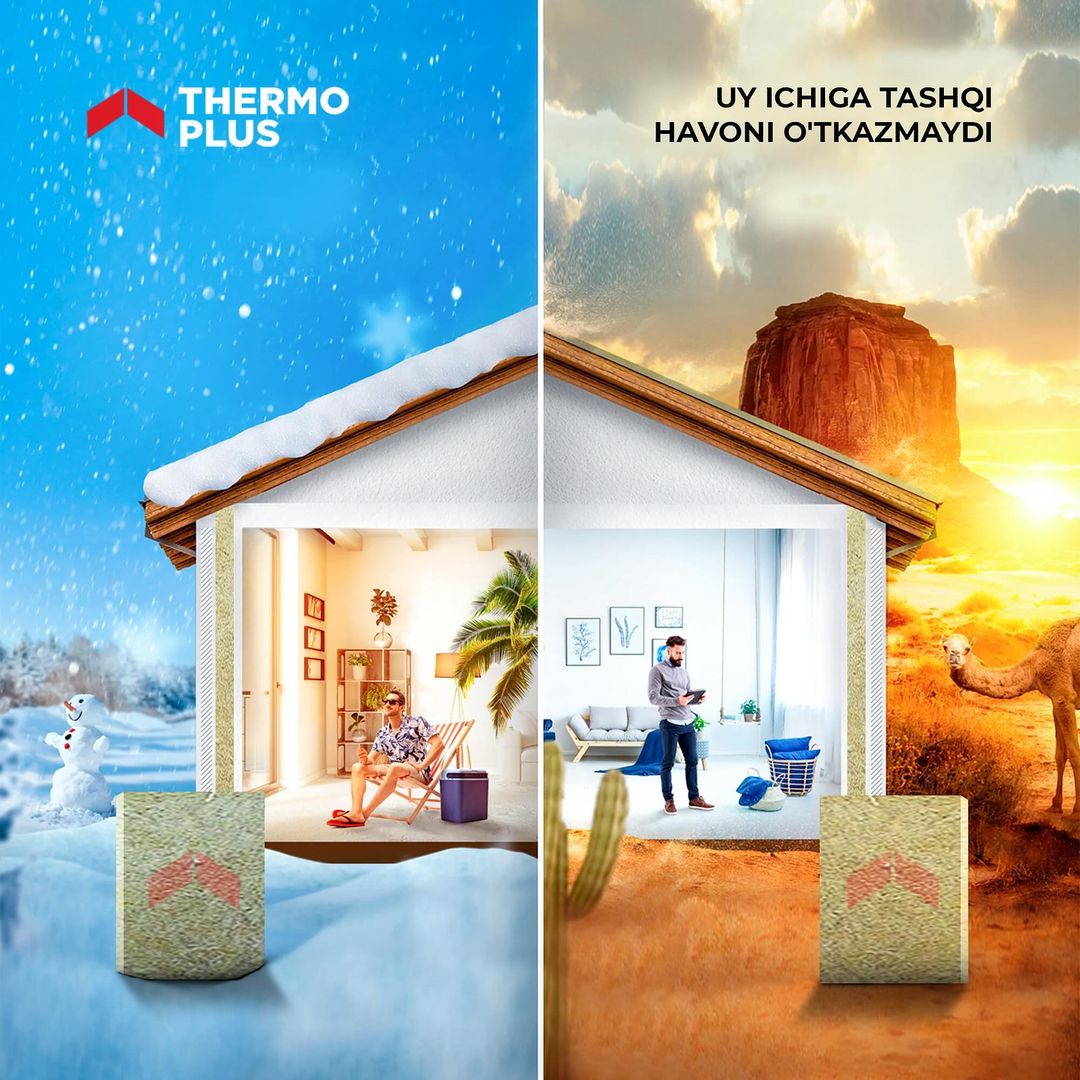
During operation, stone wool retains its original thermal insulation properties and noise insulation characteristics. In terms of hygroscopicity, basalt fibers significantly surpass glass analogues, ensuring the minimization of the risk of wetting the heat-insulating layer. The natural resistance of the material to environmental influences ensures the stability of thermal insulation characteristics with significant changes in external factors. The material is adapted for use in difficult climatic conditions..
Related News
There is very little time left before the Thermo Plus project is implemented
Thermo Plus project to start soon with annual production capacity of 30,000 tons of basalt insulation boards.
2024-February-29
Our new project – Thermo Plus!
Basalt mineral slabs are considered a modern insulating product and are the most important products in the construction of developed countries of the world..
2024-January-15